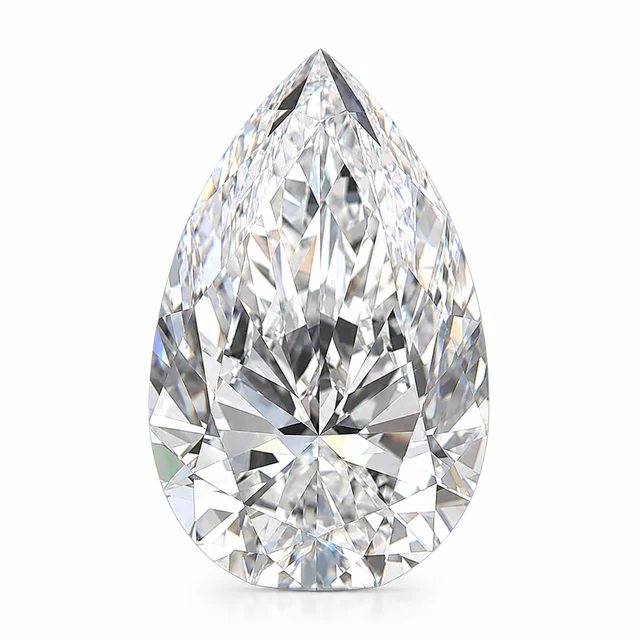
1.00 ct · D–F · VS1–VS2
Pear diamond
Approx. 9.00 × 5.50 mm
Estimated EU budget
From €420
VAT & delivery allowances included
With your permission, Google Analytics helps us understand visits and successful enquiries. No advertising tracking, form text or contact details. You can change your choice at any time.
Read the privacy notice ↗Shape & selection guide
A pear combines a rounded end with a pointed tip. The balance between the shoulders, rounded end and point determines its silhouette; two stones with the same weight and ratio can still have different outlines and centre contrast.
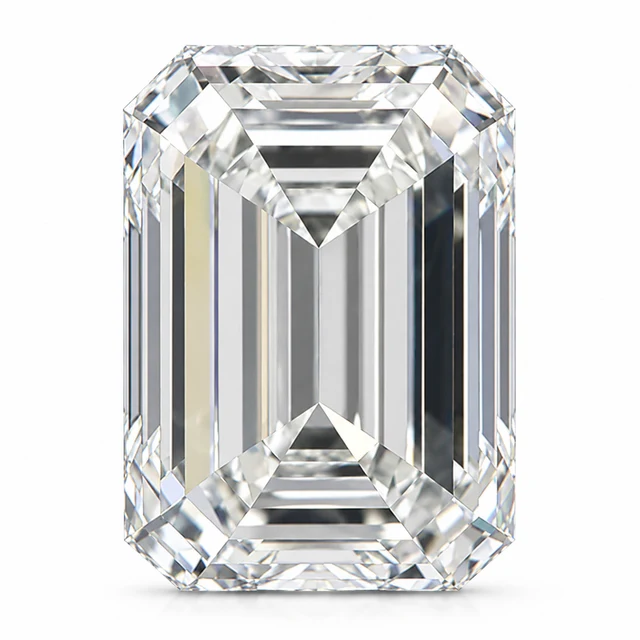
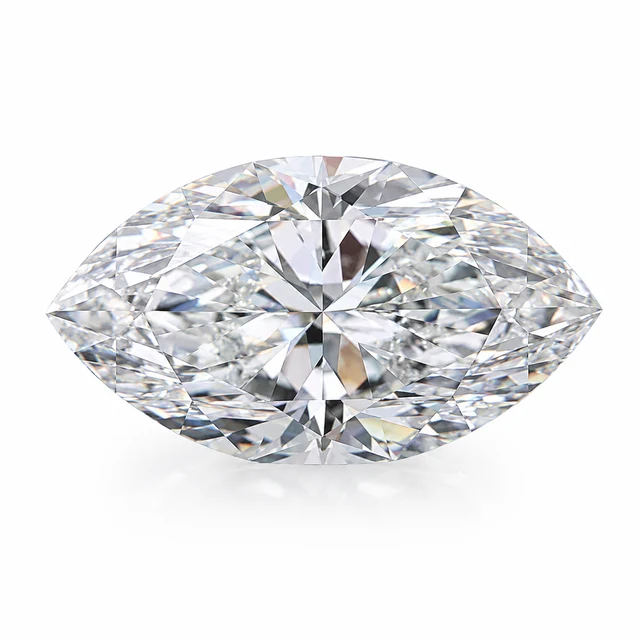
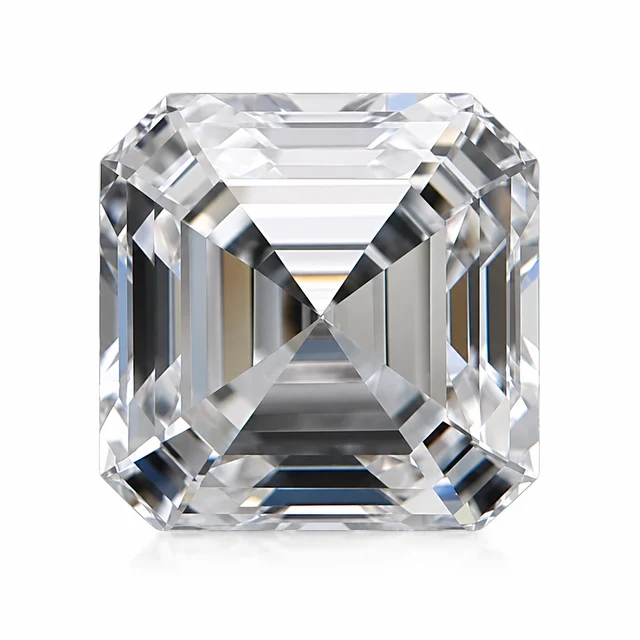
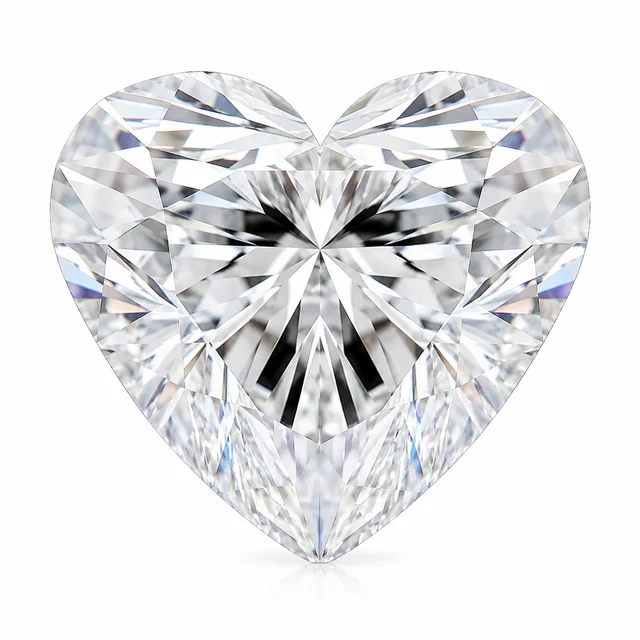
Compare sizes & budgetsSee the shape on a handReference illustrations show the silhouette, not a currently available stone.
1.00 ct · D–F · VS1–VS2
Approx. 9.00 × 5.50 mm
Estimated EU budget
From €420
VAT & delivery allowances included
1.50 ct · D–F · VS1–VS2
Approx. 10.30 × 6.30 mm
Estimated EU budget
From €550
VAT & delivery allowances included
2.00 ct · D–F · VS1–VS2
Approx. 11.34 × 6.93 mm
Estimated EU budget
From €780
VAT & delivery allowances included
3.00 ct · D–F · VS1–VS2
Approx. 12.98 × 7.93 mm
Estimated EU budget
From €1,210
VAT & delivery allowances included
Compare the same D colour and VS1 clarity preference across weights. Different grades, individual dimensions and visual performance may change the final quote. A report number, material disclosure and imagery of the actual stone are agreed before ordering.
| Carat | Approx. length × width | Guide budget |
|---|---|---|
| 1.00 ct | 9.00 × 5.50 mm | €460 |
| 1.50 ct | 10.30 × 6.30 mm | €590 |
| 2.00 ct | 11.34 × 6.93 mm | €870 |
| 3.00 ct | 12.98 × 7.93 mm | €1,570 |
Reviewed 2026-10-04; numeric guides available until 2026-11-03. Includes delivery, import / clearance and VAT planning allowances, not a fixed tax-inclusive offer or live stock. Jewellery manufacture is excluded. Dimensions are visualiser estimates, not measurements of an available stone. Read the full pricing assumptions.
Choose the direction of the point with your jeweller; there is no compulsory wearing orientation. A protective tip setting must suit the actual stone, not just the illustration.
Verify the selected stone’s report and confirm growth origin and any treatment disclosure. Reference images, grades and estimated dimensions on this page do not certify a specific diamond.
For a deeper explanation: The diamond bow-tie effect: how to assess an oval, pear or marquise..
Educational reference: GIA’s diamond-shape guide. Our notes are selection guidance, not a laboratory cut grade.
Explore nine shapes, from 0.30 to 5.00 carats. Compare their face-up proportions on a reference hand.
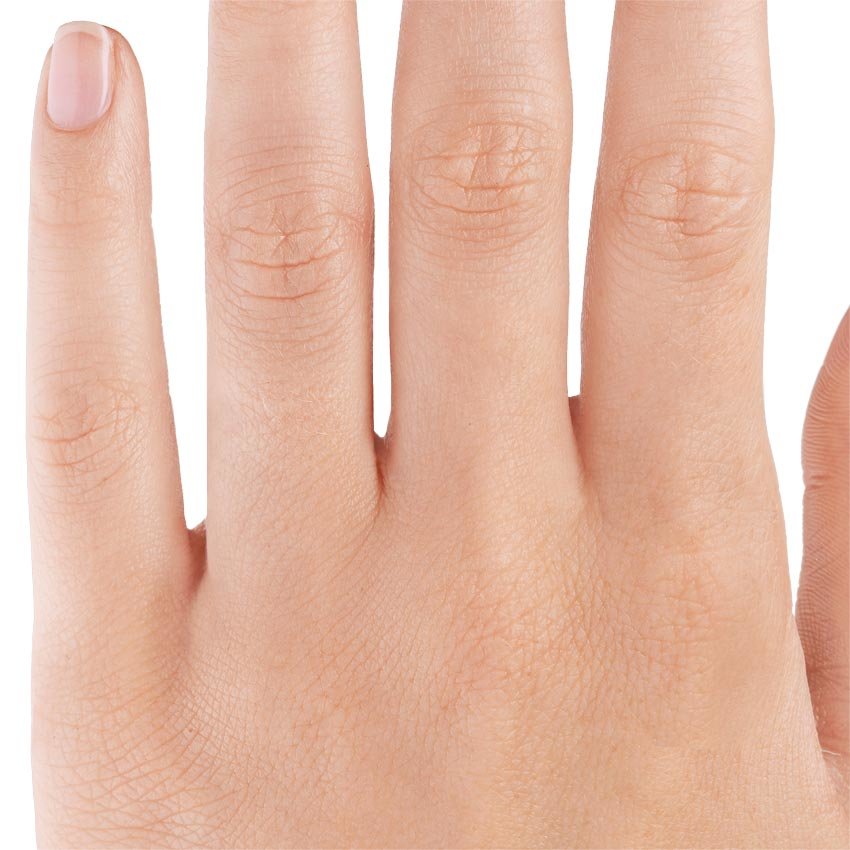
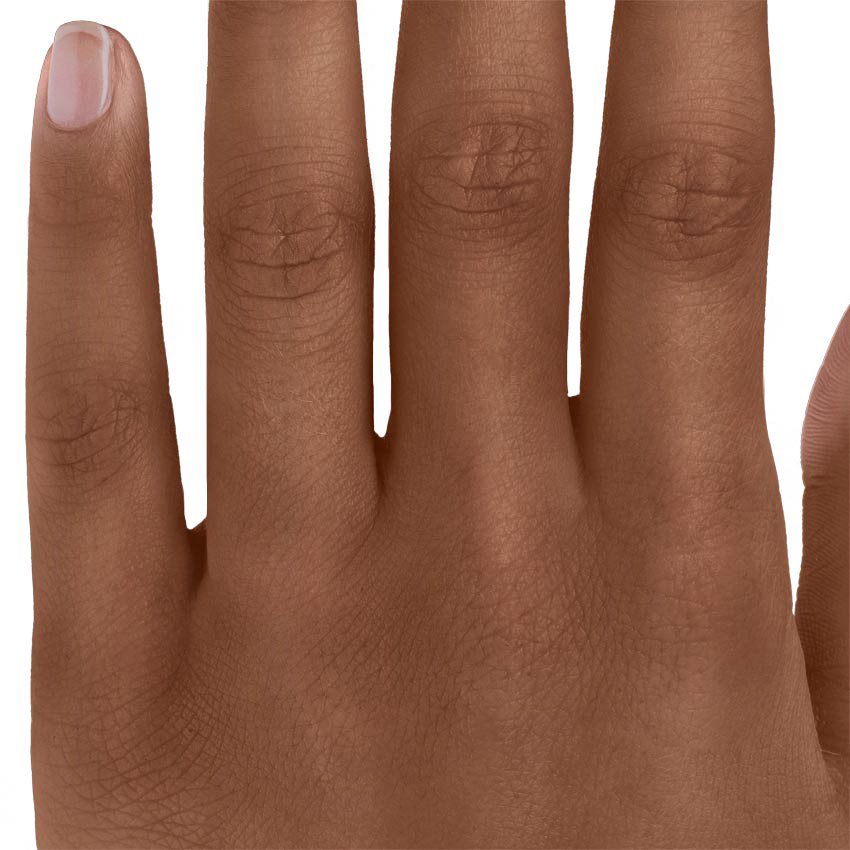
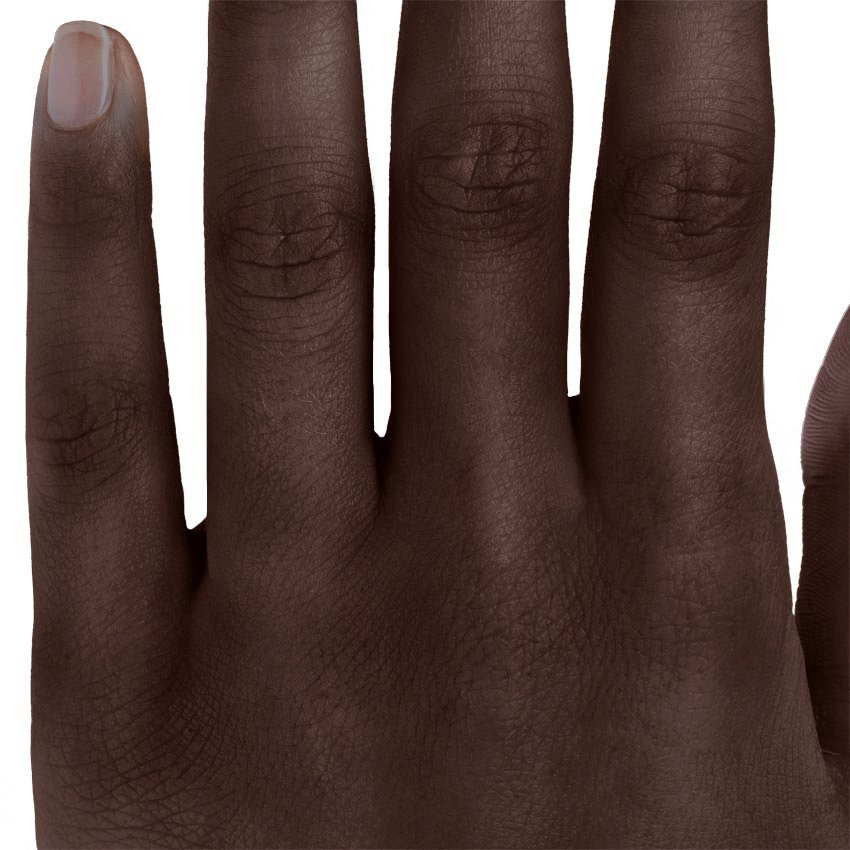
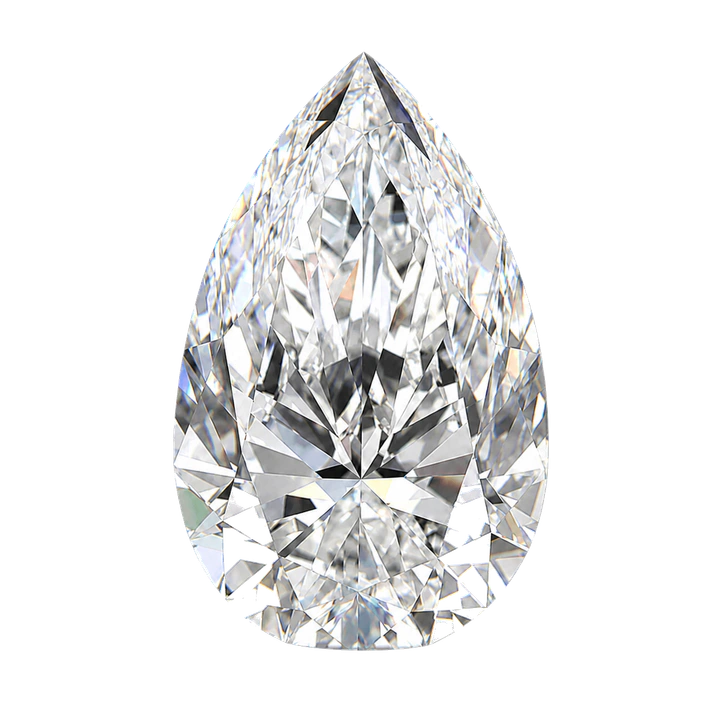
Illustrative proportions, not a true-to-life screen scale. Actual measurements and appearance vary; your final selection is assessed using its laboratory report and imagery. Fancy shapes scale from typical one-carat dimensions.
Explore this shape